Alternatively, if your business has received goods/services then you are the debtor until you have paid the entity (creditor) for the products in full. These systems help companies track creditor and debtor accounts accurately, and produce detailed analytical reports that help in making appropriate strategic decisions. The use of DocSuite contributes significantly to achieving administrative goals and increasing productivity. It also ensures environmental sustainability by reducing reliance on paper, which is in line with the Kingdom of Saudi Arabia’s Vision 2030. By using double entry, accountants can track all business transactions, providing an accurate and comprehensive picture of a company’s financial position. This enables companies to prepare accurate financial reports, which contributes to making informed strategic decisions.
Q5. How is a debtor shown in accounting records?
The collector will monitor when this customer makes payments and follow up if they don’t. While the creditor held up its end of the transaction by providing the debt capital, the debtor has unmet obligations, which gives the creditor the right to litigate the matter. We’ll start what is the distinction between debtor and creditor with the debtor’s side, which is defined as the entities that owe money to another entity – i.e. there is an unsettled obligation. You need to keep ahead of all your business debt to ensure you don’t get into a cash flow issue. If a company becomes insolvent, HMRC may get involved to help relieve some debt. If you are part of a trade business, then providing the goods or services and getting the payment later makes your business a creditor.
Ans.The 3 most essential accounting fundamentals are assets, liabilities, and capital. This can be in the form of trade accounts payable or loans payable. An entity that provides credit is in the business of selling goods or services, with credit extension serving as an afterthought.
Late payment scenarios and resolution strategies
- Creditors are those who extend the loan or credit to a person, and it may be a person, organization, or firm.
- Tax debts and child support mainly get the maximum priority along with criminal fines, overpayments of federal benefits, and a handful of other debts.
- The banks, lenders, and credit card companies are not responsible for any content posted on this site and do not endorse or guarantee any reviews.
- These roles are fundamental to business finance, and expertly managing each can significantly impact a business’s cash flow, credit rating, and overall performance.
- Effectively managing creditors and debtors is crucial for maintaining a healthy cash flow and ensuring the long-term sustainability of a business.
- The legal protections afforded to debtors during bankruptcy, such as the automatic stay, provide temporary relief from collection efforts, giving them breathing room to reorganize their finances.
A debtor is someone who borrows money or receives goods/services and must repay or settle the obligation. Navigating the complex relationship between debtors and creditors can be fraught with challenges for both parties involved. Addressing these challenges effectively is crucial to maintaining healthy financial interactions and ensuring organizational stability. Below, we explore some of the most common challenges and offer practical solutions.
Roles and Characteristics of Debtors and Creditors
Creditors, in turn, face increased risk of defaults, which can strain their financial resources. Conversely, in a booming economy, debtors may find it easier to manage repayments, and creditors can benefit from a more stable and predictable cash flow. This cyclical nature underscores the importance of adaptive financial strategies that can respond to changing economic landscapes. The relationship between creditors and debtors is fundamentally based on trust and legal agreements.
Why automating your credit control saves time and improves cash flow
Personal bankruptcy can be a significant consequence for individual debtors who are unable to meet their repayment obligations, impacting their financial stability and creditworthiness for years. In conclusion, creditors and debtors play vital roles in the financial landscape. Creditors provide the necessary funds, evaluate risks, and earn interest on loans, while debtors rely on creditors to fulfill their financial needs and repay borrowed amounts. Understanding the attributes of both creditors and debtors is crucial for individuals and businesses to navigate the lending and borrowing process effectively. By maintaining financial discipline, assessing creditworthiness, and fostering responsible financial practices, both creditors and debtors contribute to a sustainable and thriving economy. Effective cash flow management is a cornerstone of financial stability for both creditors and debtors.
- Creditor days are used to measure a its creditworthiness and reputation to a certain degree.
- Whether borrowing or lending, clear communication and adherence to financial agreements benefit both sides.
- This process is governed by a complex legal framework designed to balance the interests of both parties while ensuring an equitable distribution of the debtor’s remaining assets.
- They will not lend any money to somebody if they don’t think that it’s certain they will be paid back.
- For example, a person who borrows money from a bank to buy a house is a debtor.
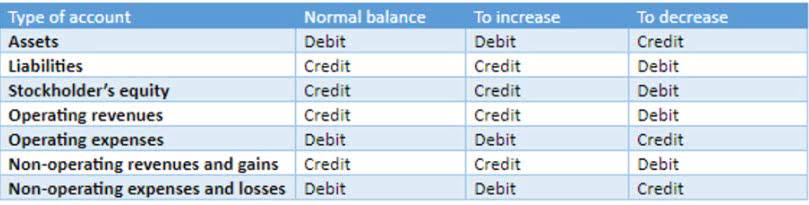
The amount owed a debtor repays periodically with or without interest incurred (debt almost always includes interest payments). The key difference between a debtor vs. creditor is that both concepts denote two counterparties in a lending arrangement. The distinction also results in a difference in financial reporting. On the company’s balance sheet, the company’s debtors are recorded as assets while the company’s creditors are recorded as liabilities. While purchasing goods on credit a buyer may not make the payment immediately instead both the seller and buyer may enter into a lending & borrowing arrangement.
Understanding the dynamics between creditors and debtors is crucial for effective financial management and can significantly influence your credit score and overall financial health. Financial liabilities arise for debtors when they enter into agreements, such as loans or credit lines, resulting in an obligation to repay the borrowed amount along with any interest. On the creditor’s side, these financial liabilities represent a claim on the debtor’s future income or assets, serving as a potential revenue source through interest income. Understanding the dynamics between creditors and debtors is essential for effective financial management and risk assessment in personal or corporate finance. A creditor is an individual or institution that lends money or extends credit to another party, known as the debtor, who is obligated to repay the borrowed funds.
Types of creditors
While the creditor holds the financial claim and expects repayment, the debtor is responsible for fulfilling their financial obligation by making timely payments. A creditor is an individual or organization that extends credit or lends money to another party. This could include banks, credit card companies, mortgage lenders, financial institutions, or even businesses. Creditors take on the role of providing the necessary funds or allowing deferred payment in exchange for goods or services. Secured creditors are lenders who have the advantage of holding collateral against the loan they provide. This collateral can be in the form of real estate, vehicles, or other valuable assets.
You can read more about how lenders determine a potential borrower’s creditworthiness. If so, you’ve acted as a creditor and your friend acted as a debtor. Whether someone borrows money from a friend or a financial institution, it’s important for debtors and creditors to maintain a good relationship. The creditors of a bank are those who have loaned money to the bank. A bank is allowed to borrow from anybody as long as they have enough assets and cash flow.

Everything you want to know about the difference between a creditor and a debtor
This means that the company is giving their customers 30 days to make payment. If they don’t, then this would be considered a debt for which they can require payment. During that stretch of time, the supplier acts as a creditor due to being owed cash payment from the company that already received the benefits from the transaction.
This process often involves screening a borrower’s financial information—like their current debts, income and credit history. Credit card issuers, for example, may have certain approval requirements. Minimum credit scores or debt-to-income ratios may be required for borrowers to qualify for financial products.
Regularly adjusting assets and liabilities ensures financial and operational efficiency. Maintaining optimal inventory, managing customer collections, and negotiating favorable supplier terms ensure sufficient working capital for obligations and growth. By analyzing stages like inventory turnover and receivables collection, businesses can find ways to accelerate cash inflow and delay outflows.