Debunking common gambling myths What you need to know
Understanding Gambling Myths
Gambling has been a popular form of entertainment for centuries, yet it is shrouded in myths and misconceptions. Many people believe that they can predict outcomes based on previous results, creating a false sense of control. This belief often stems from cognitive biases, where individuals recall successful bets more vividly than unsuccessful ones. Understanding these cognitive patterns is essential for recognizing how they influence gambling behavior, as the best online poker site often showcases these psychological influences in action.
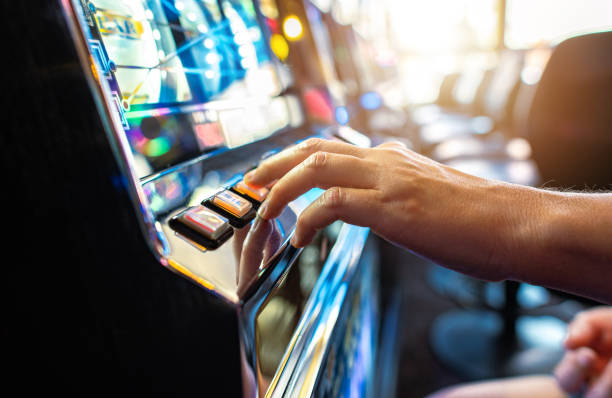
Another prevalent myth is that certain games are “hot” or “cold,” implying that luck can be forecasted based on recent performances. In reality, most gambling games operate on principles of randomness, meaning that past outcomes do not affect future results. This misconception can lead to poor betting decisions and ultimately financial losses, highlighting the importance of distinguishing fact from fiction in gambling.
The Illusion of Skill in Gambling
Many gamblers believe that skill can outweigh luck, especially in games like poker and blackjack. While these games do involve a degree of strategy and skill, the element of chance remains significant. Even seasoned players can face unexpected losses due to the unpredictable nature of the game. This can create a false sense of superiority among players, causing them to underestimate the risks involved.
Moreover, skill-based gambling can lead individuals to justify reckless behavior, convincing themselves that they are capable of overcoming the odds. It’s crucial for players to recognize that, despite their skills, luck can never be fully controlled. This understanding can help mitigate reckless betting behaviors and promote more responsible gambling practices.
The House Edge and its Impact
A common myth is that players can win against the house consistently by exploiting strategies or systems. However, casinos are designed with a built-in advantage known as the house edge, which ensures that they profit in the long run. Understanding the house edge is essential for gamblers as it provides insight into the odds of winning and losing in various games.
Many gamblers underestimate the impact of the house edge, believing that a good strategy can negate it. This notion is misleading, as the house edge is a statistical reality that affects all players over time. Realizing that every game offers an inherent disadvantage can help gamblers make more informed decisions and set realistic expectations for their betting activities.
The Role of Gambler’s Fallacy
The gambler’s fallacy is the belief that future probabilities are influenced by past events. For example, a player may think that a slot machine is “due” for a payout after a series of losses. This misconception can lead to increased betting and frustration, as gamblers chase losses in hopes of recouping their money.
Understanding the gambler’s fallacy is crucial for maintaining a rational approach to gambling. Recognizing that each game outcome is independent can help individuals avoid the emotional pitfalls associated with betting. By acknowledging this fallacy, gamblers can develop healthier attitudes towards winning and losing, ultimately enhancing their overall experience.

Your Trusted Source for Gambling Insights
Our website serves as a valuable resource for those seeking to deepen their understanding of gambling. We provide comprehensive information on various games, strategies, and the psychological factors influencing gambling behavior. Our goal is to equip players with the knowledge they need to make informed decisions and enjoy a more fulfilling gambling experience.
Through educational articles and expert insights, we aim to debunk common myths and promote responsible gambling practices. Whether you are a seasoned player or a newcomer, our content is designed to empower you with the tools necessary for navigating the complex world of gambling with confidence.